

We have entered a time in human history of unprecedented and fast-moving change. From the rise of generative AI to the ever-changing needs of clients, complexity and uncertainty have become the new normal. In this environment, it is essential we support our people to do thing best thinking. How we lead, support, and communicate with people inside our firms matters more than ever.
This session explores how all of us who support the work of lawyers and law firms can use insights from neuroscience to create the conditions for enhanced cognitive performance, collaboration, and resilience. Drawing from the “brain-aligned law firm” framework, we’ll examine seven core drivers of human motivation and how they shape performance and wellbeing.
Participants will learn practical strategies to:
- reduce threat responses;
- foster psychological safety; and
- “spiral up” team motivation — especially in the face of change and uncertainty.
You will leave with concrete tools to help their teams flourish — even under pressure — and to build work environments where people feel focused, supported, and capable of their best work.
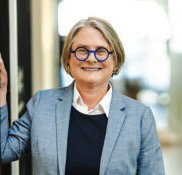
As a coach with over 20 years of experience, Allison is one of the most senior coaches in North America. Having worked with a wide range of clients, she has developed a deep understanding of the national and international legal marketplace.Her coaching practice is grounded in neuroscience, helping lawyers and law firms take a brain-aligned approach to leadership, productivity, and sustainable success. By integrating the latest insights into how the brain works best, she supports clients in optimizing their decision-making, focus, resilience, and performance. This science-backed approach enables legal professionals to navigate high-pressure environments more effectively while fostering well-being and long-term career satisfaction.
Allison also have extensive experience working with neurodiverse clients, tailoring my coaching to meet their unique strengths, challenges, and ways of thinking. By creating strategies that work with—not against—their natural cognitive styles, she helps neurodiverse lawyers and professionals thrive in their careers while ensuring that law firms develop more inclusive and supportive workplaces.